Plum Pálinka, et al.

June 3, 2023

The time has come for a deeper dive into plum. These three were blindly selected and tasted from a larger pool of plum distillates we have waiting in the wings. They were revealed to be two pálinkas, acquired on our recent trip, and a random old miniature out of Fougerolles, which was our favourite.

Zimek (Somogy, Hungary) – Szilva (Plum) Pálinka, bott. 02.02.2022, 40%
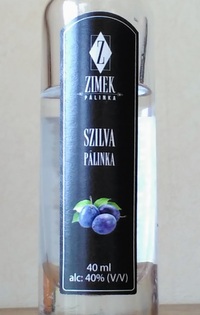
Picture of bottle Zimek (Somogy, Hungary) – Szilva (Plum) Pálinka, bott. 02.02.2022, 40%

Made from Besztercei plums. For whatever it's worth, this one has won quite a few national awards, it seems. Also available at 55% ABV.

Nose Expressive and inviting, plum jam tarts, plum ice cream. Quite floral too (jasmine), a little ethanol. Not super complex, but enough to keep interest. Responds well to water, amplifying sweetness slightly.

Palate A bit nippy at first, starting with a grippy floral, slightly tannic element, eventually giving way to slightly underripe, creamy plum, a tad spirity. Medium finish. With water, slightly more balanced and more of the sweetness from the nose. Remains spirity in the finish, preventing a higher score [ed: this really played higher proof than 40%].

Comments A good nose, less approachable on the palate but still decent. Resolves somewhat with water despite the low proof.

Price around €26 per 50cl.

Score?6/10

Csalló (Veszprém, Hungary) – Szilva (Plum) Pálinka, 50%
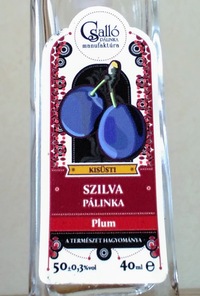
Picture of bottle Csalló (Veszprém, Hungary) – Szilva (Plum) Pálinka, 50%

Csalló have been distilling since the early 90s, but my understanding is that their own brand was launched in 2005. The bottle reads Kisüsti, indicating batch distillation in a still with a capacity less than 1,000 litres.

Nose The most muted in this line up. Would I know this is plum? Doubtful. Slightly rubbery, slightly burnt (plum?) jam, rather dark. A crack of black pepper. Not bad, but not very inviting. Water doesn't change much.

Palate Powerful delivery, quite some clout but less nippy than [the Zimek], quickly gives way to quite a strong floral-bitter side: overstewed jasmine tea. Not overpowering, but that certainly dominates. Holds on quite long with that bitter side, becoming more on underripe plum. Water helps here, unravelling the concentrated bitter side slightly, though it remains a bit hot.

Comments You have to like bitterness here! Quite unconventional and hard to score. I don't like the nose nor could I drink a lot of it, but it's interesting.

Price around €27 per 50cl.

Score?5/10

Kirsch et Terroir, Ferme Chassard (Haute-Saône, France) – Quetsch (Wild Plum), bott. ~1990, 48%
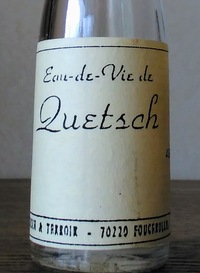
Picture of bottle Kirsch et Terroir, Ferme Chassard (Haute-Saône, France) – Quetsch (Wild Plum), bott. ~1990, 48%

Kirsch et Terroir is a group of ten producers in Fougerolles, selling their kirsch and other eaux-de-vie since 1970. This particular wax-topped miniature was purchased as part of a job lot on eBay. There are various reasons to believe this one was bottled several decades ago, but I can't be sure exactly when.

Nose Darker, sweeter pluminess (charred?), rather creamy and fat, a touch of burnt orange. Less classical than [the Zimek], but equally expressive. The most intriguing nose here.

Palate Very nice arrival, quite a luscious mouthfeel but also a decent grip. Much more immediately on plum now, both perfectly ripe and a rich plum ice-cream. Great balance. Holds on rather long, remaining fat but becoming drier, not much development but still rather good.

Comments This is the easiest pleasure for sure, love the texture and balance. Very well made, probably on a tiny wood-fired still. Is bottle aging playing a role here? Looking forward to trying their kirsch.

Price €29 per 70cl on the 2019 price list.

Score?7/10
Road Notes: Hungary

May 29, 2023

Clear Libations recently visited Hungary. Pálinka is regarded as a Hungarikum, a national treasure, and use of the term is regulated by EU law: no additives, Hungarian grown fruit. Homemade pálinka in particular holds a special status amongst many Hungarians, although not always deservedly so. Moreover, with the prevelance of tiny distilleries operating both as private and contract enterprises, the line is often not clear. Here's a quick grab bag of hastily jotted road notes, pitting the relative giant Rézangyal against the tiny Mályninkai Pálinkafőzde. More to follow.

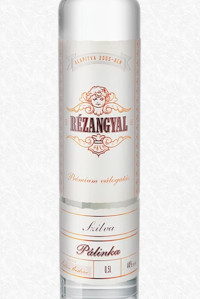
Rézangyal (Budapest, Hungary) – Prémium Szilva (Plum) Pálinka, bott. ~2023, 44%

Picture of bottle Rézangyal (Budapest, Hungary) – Prémium Szilva (Plum) Pálinka, bott. ~2023, 44%

A brand distributed by Coca-Cola, wide distribution and relatively well-marketed, widely available in bars. Rézangyal translates as Copper Angel.

Nose Plum candies and plum ice cream. Simple, direct, pleasant enough.

Palate Gentle arrival, becomes a little spicy (cinnamon), develops on crunchy underripe plums. Rather spirity, an impression of vodka.

Comments Solid at this price, but a bit over rectified.

Price around €23 per 70cl.

Score?4/10

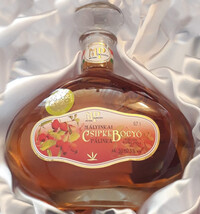
Mályinkai (Borsod-Abaúj-Zemplén, Hungary) – Csipkebogyó (Rosehip) Pálinka, bott. ~2022, 50%

Picture of bottle Mályinkai (Borsod-Abaúj-Zemplén, Hungary) – Csipkebogyó (Rosehip) Pálinka, bott. ~2022, 50%

We sampled these next two at Fehér Sas in Bánkút, a few km from the distillery in Mályinka. If you're in the area, also make sure to reserve a table at the fantastic Iszkor. The distillery is open from 8-12 on weekdays. This one pours a slightly reddish golden, probably acheived by addition of (dried) fruit.

Nose Slightly sharp, acidic fruitiness (reminding me of a high ester Long Pond rum), golden raisins, rosehip tea. Expressive and quite complex.

Palate Nice grip, develops on various teas (Darjeeling and rosehip), raspberries, bark. Long finish, slightly perfumed (rose?), slightly astringent, slightly spicy.

Comments Really nice stuff, love the acid.

Price around €67 per 70cl.

Score?7/10

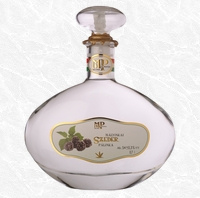
Mályinkai (Borsod-Abaúj-Zemplén, Hungary) – Szeder (Blackberry) Pálinka, bott. ~2022, 54%

Picture of bottle Mályinkai (Borsod-Abaúj-Zemplén, Hungary) – Szeder (Blackberry) Pálinka, bott. ~2022, 54%

This one pours clear. I like that they find 54% applicable here, compared to 50% for the rosehip.

Nose It's all on forest fruits yogurt. Very easy to nose, but not complex.

Palate Clean, brambles, pips, fleshy blackberry and blackberry yoghurt. Long finish.

Comments A bit one dimensional but a very pure and delightful expression of blackberry.

Price around €70 per 70cl.

Score?7-/10

A Blind Bushel of Apples

May 26, 2023

Four apple distillates today, across a staggering range of varietals, tasted semi-blind as usual. We discovered another winner from Gölles, but there were no losers either.

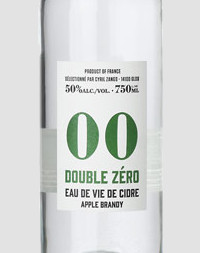
Cyril Zangs (Normandy, France) – 00 'Double Zéro' Eau de Vie de Cidre, Distilled by J-R Groult, bott. ~2022, 50%

Picture of bottle Cyril Zangs (Normandy, France) – 00 'Double Zéro' Eau de Vie de Cidre, Distilled by J-R Groult, bott. ~2022, 50%

A collaboration between two cult producers in Calvados region, cider maker Cyril Zangs and calvados maker Groult. Ten months of aging on the lees, wood-fired distillation. Not a lick of wood, so this is not calvados.

Nose Rustic, “farmhouse cider” - blind, it gives itself away immediately. Expansive and easy to nose. Not a lot of depth, just pristine, high strength aromatic cider. A touch nippy.

Palate Follows the nose, this is some great high strength cider! Not a lot of breadth or development, but big hit of rugged cider, a touch of cinnamon heat, apple soap, spiced marzipan. Water not beneficial.

Comments Well made, somewhat simple but very characterful.

Price around £70 per 75cl.

Score?6+/10

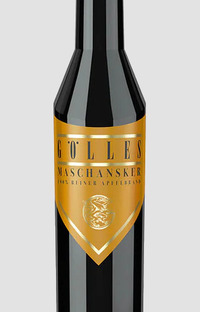
Gölles (Styria, Austria) – Maschansker Apple, bott. ~2021, 43%

Picture of bottle Gölles (Styria, Austria) – Maschansker Apple, bott. ~2021, 43%

Said to be a visually unappealing apple, but the sow pear was similarly unappealing and we loved that one. Gölles claim 14kg of apples per litre, and 2 years of glass aging.

Nose Much crisper than the [Zangs], ultra 'green' smelling, both apple (say, Granny Smith but also something slightly sweeter and more complex, Cox's Orange Pippin?) but also foliage, particularly pine and fir. Indeed, it's a bit christmas-y somehow. Apple pie in the distance. This is really nice, perfect strength and blend of acidity and sweetness.

Palate Oh, this is good. Arrives very elegantly, lush, waxy, develops on perfectly ripe, crisp apples of several varieties. Perfect strength as well [ed: surprised this was only 43%!], it's big but not at all nippy. Very long finish on stems and foliage, and a slightly saline brightness. Water not beneficial.

Comments This is really excellent, great balance and subtle complexity. Great value too.

Price around €42 per 70cl.

Score?8/10

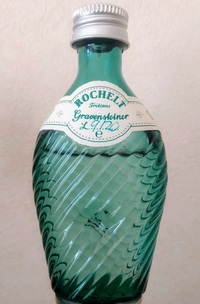
Rochelt (Tyrol, Austria) – Gravensteiner Apple, 2008/2020, L.9/20, 50%

Picture of bottle Rochelt (Tyrol, Austria) – Gravensteiner Apple, 2008/2020, L.9/20, 50%

Another lesser seen varietal, long a staple in Rochelt's stable. This should be the 2008 vintage, aged in glass for 12 years.

Nose Here more on apple shampoo (but nice!), and high toned apple esters. Salted green apple slices and apples in uncooked pastry. Punchy. Sour apple laces? Simple but good.

Palate Slightly puzzling, a mix of apple shampoo and apple laces confectionary – delivered with a good punch. Develops some bitterness, as the rest continues – good length but not much change. Water helps to harmonize a little.

Comments This one may be divisive. I find it very good, particularly on the nose but the combination of flavours on the palate is not my preference. Certainly a character though.

Price around €120 per 35cl.

Score?6/10

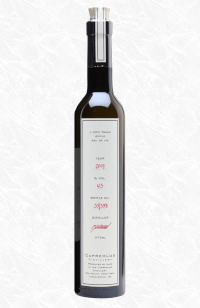
Capreolus (Gloucestershire, England) – '1000 Trees' Apple Eau de Vie (2019), 43%

Picture of bottle Capreolus (Gloucestershire, England) – '1000 Trees' Apple Eau de Vie (2019), 43%

A Clear Libations debut for this much in-demand producer from the English countryside. The name '1000 trees' derives from the thousand tree, thousand varietal orchard from which the fruit is sourced, close to the distillery. A more recent vintage of this cuvée was fed to the recent coronation cake. Let's check if it's fit for a king.

Nose Quite comparable to [the Rochelt] on first nose but more toward apple confectionary, apples baking in the oven with a few touches of cinnamon and allspice. Slightly ethereal: dewy orchard? Very nice but the volume feels turned down a little.

Palate Slightly spicy arrival, then all of the elements of the nose, mostly on very perfumed apples. A little washed out and hard to catch the details. Develops on slightly sweeter apples, and quite mineralic in the finish too, medium length. Elegant, but a touch muted overall.

Comments Feels a little diluted or overly rounded, but what's there is nice.

Price around £60 per 37.5cl.

Score?6/10

Quince, Quitte, Coing, Dunja

April 9, 2023

Quince nicely exemplifies the category of smells better than it tastes, a phenomenon well known to spirits tasters, a world in which nose and palate can bifurcate. Of course, cooking transforms the fruit, so what about distillation; a process to which it is also no stranger? We put three head-to-head, semi-blind, with a bonus dram at the end.

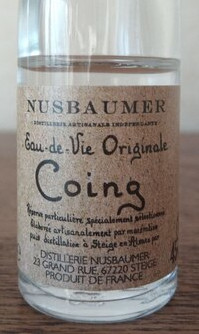
Nusbaumer (Alsace, France) – Coing (Quince), c. 2022, 45%

Picture of bottle Nusbaumer (Alsace, France) – Coing (Quince), c. 2022, 45%

A venerable producer in Steige. Apparently quince counts as an 'originale' rather than a 'classique' eau-de-vie. Their website implies this is produced via maceration.

Nose Juicy, ripe quince, a full nose. Slightly almondy, rowanberry?

Palate Mild arrival, slightly soapy (but nice), then spicier, giving way to membrillo, cooked quince, rowanberry. Medium body, quite a long finish, slightly mineralic. Water changes little.

Comments Not a lot to say here, it's enjoyable.

Price around €45 per 70cl.

Score?5/10

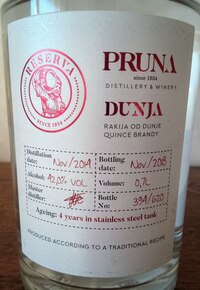
Pruna (Mačva, Serbia) – Dunja (Quince), 2014/2018, 42%

Picture of bottle Pruna (Mačva, Serbia) – Dunja (Quince), 2014/2018, 42%

A distillery and winery in the west of Serbia. They have their own orchards, including plums, quinces, cherries, apricots and pears. Nicely presented, and I love that they tell us on the front of the label "aged four years in stainless steel".

Nose Close to [the Nusbaumer], but slightly quieter. A bit more straightforwardly on quince, in a relatively sweet and candied form. Quince bakewell tart? One-dimensional, but nice.

Palate Slightly spicy arrival, giving way to bags of cooked quince. Slightly less expressive than [the Nusbaumer], probably lower proof. Some of the herbalness of [the Rochelt], but a lot less. Medium finish. Doesn't do well with water.

Comments Slightly simple, slightly quiet, but a very nice nose – more quince character than Nusbaumer. Edges it on price too, this one's the preference.

Price around €40 per 70cl.

Score?5+/10

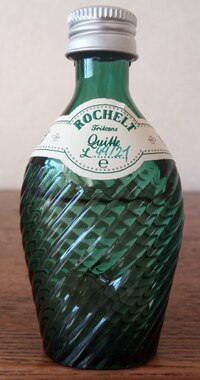
Rochelt (Tyrol, Austria) – Quitte (Quince), 2007/2021, L.49/21, 50%

Picture of bottle Rochelt (Tyrol, Austria) – Quitte (Quince), 2007/2021, L.49/21, 50%

This should be the 2007 harvest, aged 14 or so years.

Nose Very distinctive here. More towards apples! An impression of ethanol at first too. Crisper, less estery for sure. High toned, even slightly phenolic, medicinal. Mixed citrus peels. If there is quince it is more raw, seeds, etc. A little water helps, dispelling the ethanol, and adding pear, orange and cut grass. Certainly the most complex nose, but not the easiest.

Palate Very different, very herbal (thyme, rosemary), soap shop (but not soapy?), waxy and coating texture. Quince seeds, hard and raw quinces. Rather green and perfumed. Medium long, waxy herbal finish. Quite a ride. Water amplifies the complexity, medicinal, iodine. Challenging.

Comments Hard to score. This is far less straightforward than the others, but rewards time, ultimately showing itself to be on a different level. Score could go up.

Price around €130 per 35cl.

Score?7/10

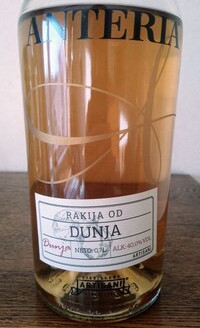
Artisani (Rasina, Serbia) – Anteria, Dunja (Quince), bott. 2018, 40%

Picture of bottle Artisani (Rasina, Serbia) – Anteria, Dunja (Quince), bott. 2018, 40%

And finally, one bonus, not included in the semiblind (for obvious reasons). I believe this one is aged around three years.

Nose Sweet, cooked and candied quince, a little vanilla. Tasty, simple.

Palate Pleasantly sweet, lots of membrillo, a tiny bit of heat, a touch of american oak rounding it all out. Medium finish.

Comments This is really not bad, very easy to drink, nice flavour, but just a tad simple.

Price around €30 per 70cl.

Score?4/10

Pear around the world, semiblind

February 11, 2023

As one of the worldwide staples of eaux-de-vie production, it's time we got stuck into some pear. The aromatic Williams is the traditionally favoured varietal, and makes up four out of five in this line up. So it was quite a surprise that a wildcard animal feed varietal showed them up in the end. We tasted and scored these semi-blind, as is our preference.

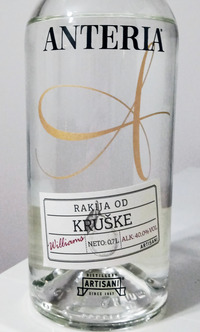
Artisani (Rasina, Serbia) – Anteria, Kruške (Pear) Williams, bott. 11/19, 40%

Picture of bottle Artisani (Rasina, Serbia) – Anteria, Kruške (Pear) Williams, bott. 11/19, 40%

I don't know much about Artisani other than they have been making a range of traditional rakija and some wines in the heart of Serbia since 1957.

Nose Quite a rich, ripe, almost candied pear. Honey, pear gummies, sticky pear cake. The sweetness here is nice. Hint of spice, big red gum? Not a huge nose, and quite simple, but good.

Palate Lighter here, quite a thin body and half volume underripe pear. Medium finish, again with a touch of that cinnamon. With time, a bit more character, touch of that honeyed pear from the nose.

Comments What's there is nice, pleasant sweet nose, decently average palate. Let down by the proof I'd say. The lowest score today, but actually a great value, a pleasant sipper. Do check out this distillery!

Price around €30 per 70cl.

Score?5/10

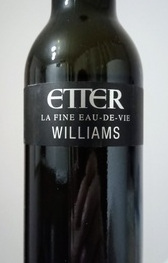
Etter (Zug, Switzerland) – Black Beauty Williams Pear, 42%

Picture of bottle Etter (Zug, Switzerland) – Black Beauty Williams Pear, 42%

On their website Etter state that around 11kg of Williams pear from Wallis are used per 70cl, although this one is presented as a nice little 20cl bottle. It's not clear what makes the "Black Beauty" different from their regular bottling, indeed the only apparent difference is the bottle itself.

Nose Aromatic mix of crisp apples and pears, almost effervescent, slightly sweet/candied. Straightforward but enticing.

Palate Rather fuller than (the Artisani), lasting hit of ripe pear mixed with crunchy underripe pear, rounding out with some sweeter baked/candied pear notes, and a hint of potpourri and cinnamon. Becomes rather mineralic and slightly earthy and saline in the long finish.

Comments Nice bit of personality here, and not hobbled by the proof. It only takes a few percent!

Price around €60 per 70cl.

Score?6/10

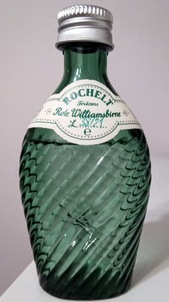
Rochelt (Tyrol, Austria) – Rote Williamsbirne (Red Williams Pear), 2013/2021, L.38/21, 50%

Picture of bottle Rochelt (Tyrol, Austria) – Rote Williamsbirne (Red Williams Pear), 2013/2021, L.38/21, 50%

Williams pears often have a reddish streak, but these ones are really really red, apparently. I am not 100% certain about the vintage, but quite sure this was the 2013, rested for 8 years. Rochelt don't mention the amount of fruit used here, but we are ensured they are picked at perfect ripeness.

Nose Not too far from (the Etter), so again a mix of crisp (cooking) apples and pears, but rather waxier, and less sweetness. Later celery and sour pear juice. Takes a little drop of water, slightly sweetening things.

Palate Punchy, bounds open with a fantastic mix of ripe and sour pears, becomes rather waxy and earthy, filling the palate. Tends slightly austere, but still with plenty of juiciness. Very long finish, with those waxy, earthy, pears clinging, great texture.

Comments Very good stuff. Not deep or complex but very satisfying, albeit at a severe asking price – an eyewatering 10 times that of the Artisani.

Price around €160 per 35cl.

Score?7/10

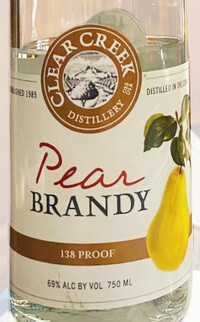
Clear Creek (Oregon, USA) – Pear Brandy (bottled for Aficionados Discord), ~70 bottles, 69%

Picture of bottle Clear Creek (Oregon, USA) – Pear Brandy (bottled for Aficionados Discord), ~70 bottles, 69%

A special small batch from the states' most venerable eau-de-vie producer. Bottled for Aficionados, an online spirits community amongst whom ranks the master distiller of Hood River (Joe O'Sullivan), Clear Creek's parent. Pestered by top-drawer palates for a high proof rendition of their pear brandy, this whopping 69%-er was cooked up from Oregon Bartlett (Williams) pears. Check out Different Spirits' review for another opinion and another pear eaux-de-vie line up!

Nose On first nose-through, the most closed and muted. Ripe pear and pear skins at half volume, fresh emulsion paint, cream. There is power here, but it's very reduced, so time for water. Bringing it to around 50% helps a lot, and the nose becomes rather aromatic, with pears just on the underripe side of ripe.

Palate Neat – big and hot, this must be the Clear Creek. Lots of fresh pear, and particularly pear skin. Very tasty, but needs water. The proof really carries this, rather hot, full of sour pear, pear skin and stem, becoming waxier and crunchier. At the dilution sweet spot it becomes quite ripe, juicy and long, though high toned - reminding me of some uber fruity newmake scotch. Long finish, skins and flesh.

Comments A good case for more moderate proofs - super high strength can make a spirit closed, but water coaxed this out nicely. This is very good stuff but just lacked a touch of personality beyond the volume.

Price around $100 per 70cl.

Score?6+/10

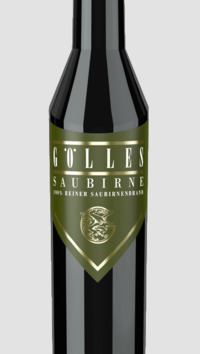
Gölles (Styria, Austria) – Saubirne (Sow Pear), bott. ~2021, 43%

Picture of bottle Gölles (Styria, Austria) – Saubirne (Sow Pear), bott. ~2021, 43%

Besides an outstanding range of eaux-de-vie, Gölles also make fine vinegars. 20kg of pear per litre claimed here, and this one is the rather unusual sau variety, so-called as it was previously only used for pig feed, due to the high content of bitter substances. Rested two years in glass.

Nose Elegant. Waxy, crunchy, slightly underripe pears with floral esters and a gentle spice. Not the biggest nose, but the most refined, complex, and perfumed. Indeed, there are roses and violets here. Rather layered and very nice to nose. Water not beneficial, but it takes a drop.

Palate Gentle arrival, but a lot of body. No overt overripe pear, much more subtle and integrated, almost like a pear wood or pear perfume, if that makes sense. Wax and bitter stem, develops on slightly sour pear, pears kept in an attic, and pear blossom. Almost soapy, but more like the aromas of a high-end soap shop. Long, mineralic finish. Again water not too beneficial.

Comments We have a winner, this is just lovely and somehow dethroned the classic Williams here. Semiblind I was betting this was the Rochelt, fortunately it's almost a quarter of the price.

Price around €77 per 70cl.

Score?7+/10